
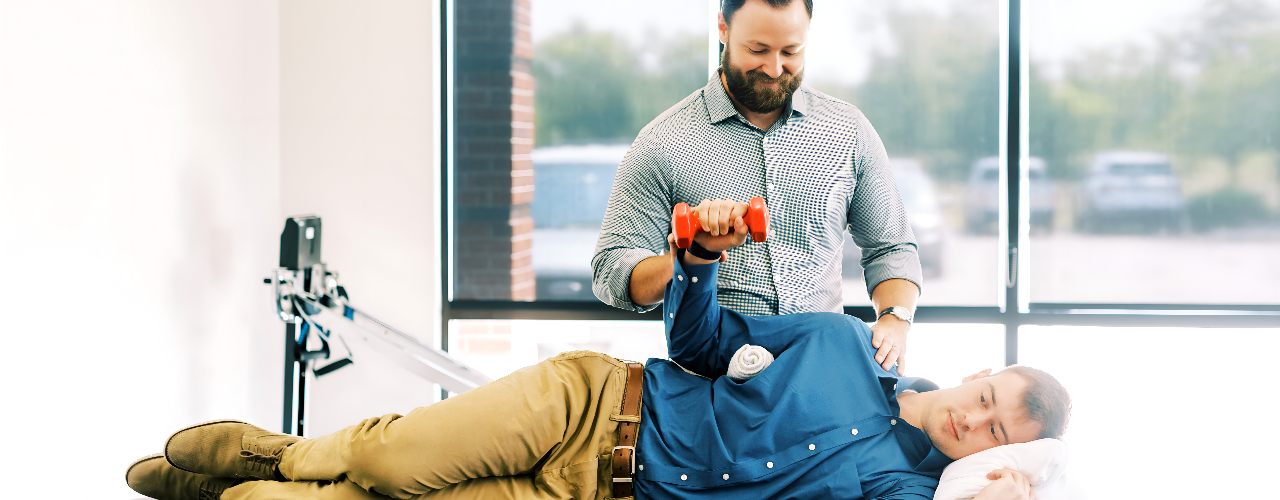
How Physical Therapy Can Help Your Recovery
Physical therapy (PT) is a healthcare specialty focusing on preventing, treating, and managing movement disorders and physical impairments. Our physical therapists at Physical Therapy By Phoenix are musculoskeletal experts who use different techniques and exercises to help patients improve their physical function and mobility, reduce pain, and prevent injury or disability.
Physical therapy is often prescribed as a treatment for a wide range of conditions, including musculoskeletal injuries, neurological disorders, sports injuries, chronic pain, and post-surgical rehabilitation. Depending on the individual’s needs and situation, PT sessions may involve manual therapy, strengthening exercises, mobility work, modalities (i.e., ultrasound, electrical stimulation, heat or cold therapy), and other techniques.
Our physical therapists in Hutchinson, East Wichita, Northeast Wichita, South Wichita, West Wichita, Augusta, and Derby, KS use cutting-edge strategies to help patients regain their independence and improve their quality of life by restoring their physical abilities, reducing pain, and improving their overall health. Your therapy sessions are designed to meet your unique needs and goals.
We approach patient care using proven methods that research has demonstrated to be the most effective way to address all aspects of their overall function. Rather than getting lost trying to treat symptoms, we emphasize getting to the root cause of your issues to ensure results!
Call to schedule your first appointment!
Common Conditions Physical Therapists Treat
At Physical Therapy By Phoenix, we understand the unique journeys of our patients and the challenges they face with various conditions and disorders. In outpatient physical therapy, we encounter a range of common disorders that can impede one’s freedom and sense of normalcy. Our dedicated and experienced team is committed to guiding you toward optimal recovery with a results-driven approach.
Our physical therapists in treat a variety of conditions, the most common of which include:
- Musculoskeletal Disorders: Encompassing conditions like osteoarthritis, rheumatoid arthritis, and back pain, these disorders impact the bones, muscles, and connective tissues. Symptoms often involve pain, stiffness, and restricted mobility.
- Neurological Disorders: Stroke, Parkinson’s disease, and multiple sclerosis are among the most common neurological disorders we treat. Patients often struggle with muscle weakness, coordination problems, and balance issues.
- Orthopedic Injuries: From sports injuries to post-surgical recovery, we treat various orthopedic conditions, including sprains and strains. These conditions typically present with swelling, pain, and decreased range of motion.
- Chronic Pain Conditions: Conditions like fibromyalgia and chronic fatigue syndrome can cause persistent pain, fatigue, and difficulty with daily tasks.
Any one or combination of these conditions can severely impact daily activities and make achieving personal and professional goals seem out of reach. But it’s important to remember that there’s always a path to improvement.
At Physical Therapy By Phoenix, we believe in the power of individualized, patient-centric care. Leveraging the latest research and evidence-based practices, our physical therapists design personalized treatment plans to help patients reclaim their lives from these conditions. Our mission is to treat symptoms and empower each patient, helping them regain their strength, confidence, and sense of self.
At Physical Therapy By Phoenix, we are committed to helping you get back to doing what you love! Book your appointment now!
What to expect at your physical therapy sessions
At Physical Therapy By Phoenix, we strive to make your process smooth, positive, and empowering. Our dedicated physical therapists delve into your past and present health conditions, surgeries, injuries, and lifestyle habits. This rigorous evaluation helps us understand your unique health profile, enabling us to tailor a treatment plan that meets your specific needs.
Next, we assess your range of motion and strength. This information provides essential insights into your overall physical capabilities and limitations. This information forms the cornerstone of your personalized treatment plan.
Our therapists will conduct comprehensive balance, coordination, and functional movement screens to identify any abnormalities that might be contributing to your discomfort or limiting your activities. These tests provide us with a view of your physical performance, further enabling us to customize your treatment regimen.
Our commitment to research-backed methods ensures you receive the most effective, results-oriented care possible. Some of the common treatments we may use include the following:
Fitness Forward PT
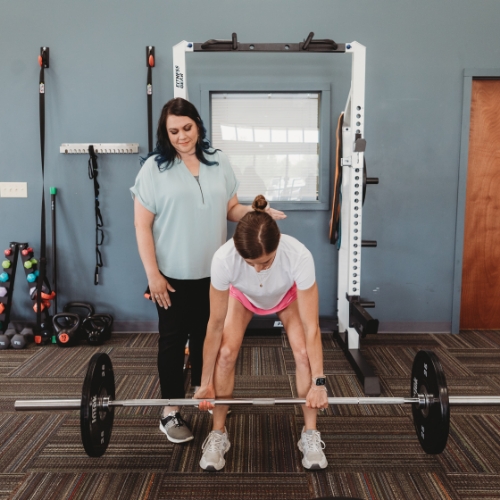
We believe in utilizing Fitness Forward PT with all our patients; we want you to unlock your full potential.
- In-depth strength assessment: Identifies your personal power gaps to target in training.
- Custom strength-training programs: Built around your goals for maximal results.
- Progressive overload methods: Drive consistent muscle gains session after session.
- Functional performance exercises: Translate gym work directly to your sport or activity.
- One-on-one coaching: Fine-tunes your technique and pushes your limits safely.
Dry Needling
Dry needling at Physical Therapy By Phoenix is an evidence-based technique offering significant pain relief by targeting anatomical structures and muscle trigger points. Unlike acupuncture, dry needling focuses on alleviating pain and enhancing function by releasing tension and promoting blood flow. Our experienced physical therapists use this method to treat conditions like myofascial pain syndrome, tension headaches, lower back pain, fibromyalgia, and TMJ disorders. This minimally invasive treatment works with the body’s natural healing mechanisms to improve mobility and functionality.
We develop personalized treatment plans based on comprehensive assessments to ensure the most effective approach for each patient. Our holistic care may also include manual therapy, exercise therapy, electrotherapy, and supportive measures like taping and bracing. Our goal is to help you achieve long-term health and vitality through innovative, results-oriented treatments.
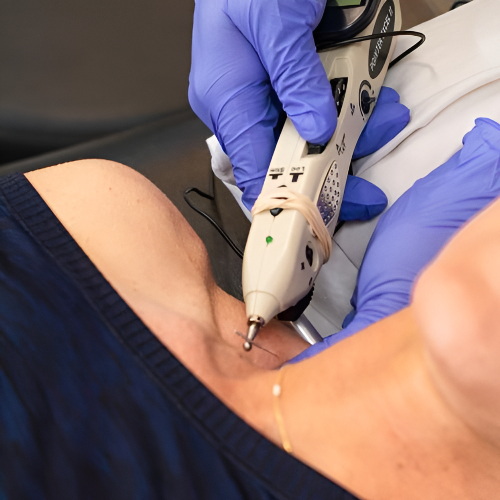
Electrical Stimulation
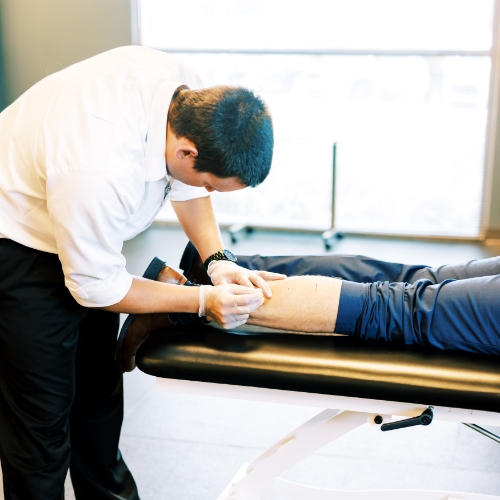
Electrical stimulation manages pain and enhances muscle function. This method involves sending mild electric shocks to muscles, replicating brain signals to block pain receptors, reduce inflammation, and improve blood circulation for healing. It’s integrated into comprehensive physical therapy programs to aid pain management and restore muscle function, particularly beneficial for stroke survivors.
Types include:
- TENS for pain relief
- IFT for nerve stimulation
- NMES for muscle strength
- Russian electrical stimulation for athletic performance
IASTM
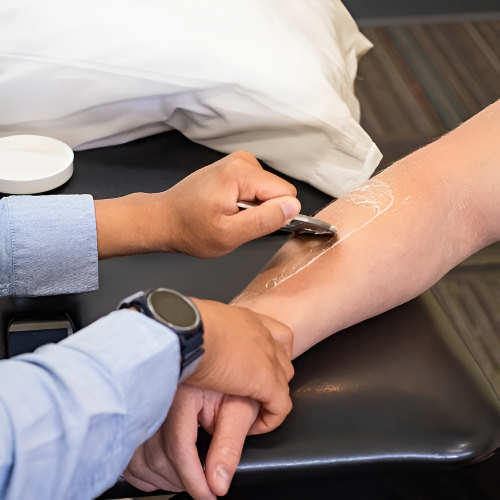
Instrument Assisted Soft Tissue Mobilization (IASTM) is a technique involving specialized tools to treat soft tissue disorders, to address discomfort and restore mobility effectively. Our skilled therapists in Hutchinson, East Wichita, Northeast Wichita, South Wichita, West Wichita, Augusta, and Derby, KS treat conditions like tendonitis, fasciitis, muscle strains, and ligament sprains, which can significantly hinder your activities and diminish your quality of life.
Millions suffer from these disorders, especially as they age. Our personalized care combines IASTM with other techniques to alleviate pain, restore mobility, and help you regain an active life. We aim to reduce pain, enhance mobility, and improve overall function.

Joint Mobilization and Manipulation
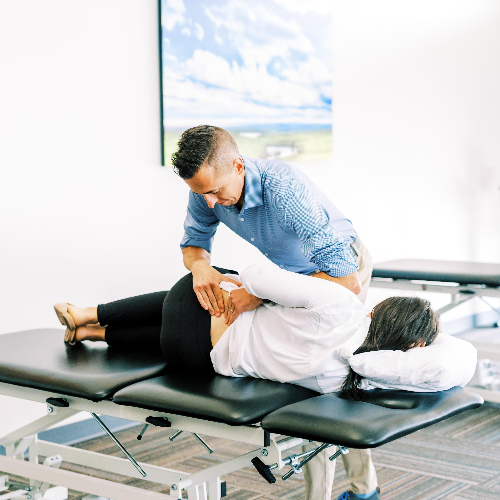
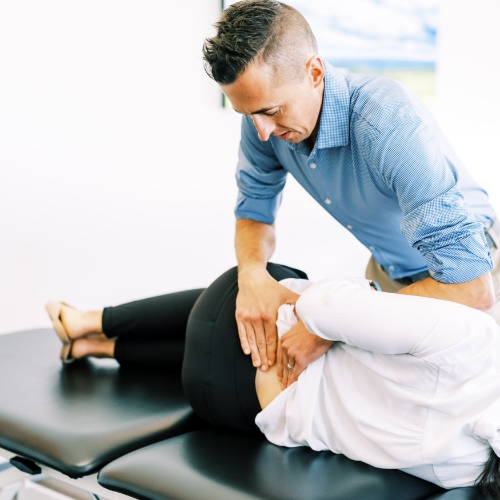
Joint mobilization is a hands-on technique used by physical therapists to improve joint movement and relieve pain. By applying controlled pressure, the therapist moves the joint through its natural range of motion to restore mobility and overall function.
- Manipulation: By applying a controlled force to a specific joint, manipulation can help relieve stiffness, improve alignment, and promote better movement patterns—especially after injury or in cases of chronic joint restriction. It’s a safe, evidence-based treatment often used alongside exercise and other therapies for optimal results
- Arthritis: A condition that causes joint pain, stiffness, and inflammation, often limiting movement in areas like the knees, hips, and hands.
- Back and Neck Pain: Joint mobilizations can be used to address stiffness and pain in the spine, including conditions like herniated discs and facet joint syndrome.
- Sports injuries: Joint mobilizations can help treat injuries by improving joint mobility and reducing pain.
- Post-surgical rehabilitation: After joint surgery, joint mobilizations can help prevent stiffness and promote healing by restoring range of motion.
- Frozen shoulder: This condition causes stiffness and pain in the shoulder joint. Joint mobilizations can help break up adhesions and improve range of motion.
Kinesio Taping
Kinesio Taping is a rehabilitative technique used by physical therapists to aid in the recovery of sports injuries and chronic conditions. This method involves applying specialized elastic tape to support muscles and joints without limiting movement. It helps reduce pain, inflammation, and swelling while enhancing muscle function and circulation.
Commonly treated conditions include:
- Sprains
- Strains
- Tendinitis
- Bursitis
Combined with other therapies like manual therapy and personalized exercise programs, Kinesio Taping facilitates quicker recovery and improved mobility, supporting a return to physical activities.

Manual Therapy
Manual therapy is a hands-on approach within physical therapy aimed at addressing musculoskeletal pain and dysfunction through skilled techniques. It involves direct manipulation of muscles, joints, and soft tissues to improve mobility, reduce pain, and enhance overall function. Techniques include:
- Soft Tissue Mobilization: Applying pressure to muscles to improve circulation and reduce muscle tension.
- Joint Mobilization: Gentle manipulation of joints to restore range of motion and alleviate pain.
- Manual Traction: Tension applied to joints or bones to correct alignment and reduce pain.
Research supports manual therapy’s effectiveness in treating conditions like back and neck pain, arthritis, and sports injuries by promoting healing and preventing future issues.
Myofascial Release
Myofascial release provides pain relief through specialized massage techniques. It targets musculoskeletal pain from soft tissue injuries, fibromyalgia, and headaches. This hands-on approach focuses on myofascial tissue, which surrounds muscles and can become restricted, causing pain and reduced mobility. Therapists apply gentle, sustained pressure to release these restrictions and alleviate trigger points, improving overall flexibility and comfort. Conditions treated include:
- Chronic Pain
- Osteoarthritis
- Carpal Tunnel Syndrome,
- Post-Surgical Rehabilitation
Myofascial release is preferred because it works well without going deep into the muscles, helping you move better and feel better overall.

Neuromuscular Re-education
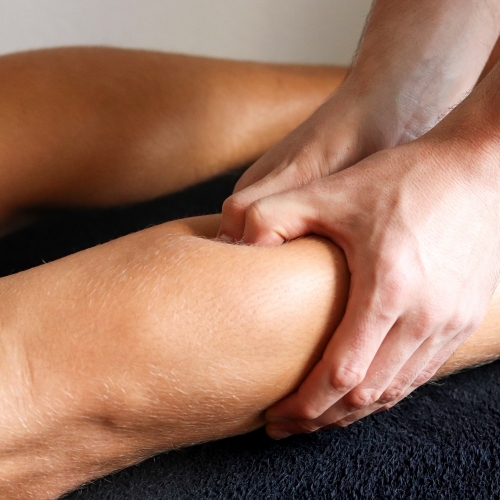
Neuromuscular reeducation is a physical therapy technique that focuses on retraining the nervous system to control muscles more effectively. It’s often used to help patients regain or improve muscle function, coordination, and strength.By retraining the brain and muscles to work together effectively, neuromuscular re-education promotes improved strength, stability, and overall movement efficiency.
This technique is particularly helpful for patients who have experienced:
- Neurological conditions: Stroke, spinal cord injury, multiple sclerosis, Parkinson’s disease, and cerebral palsy.
- Musculoskeletal injuries: Sprains, strains, sports-injuries, and post-surgical conditions.
- Postural Disorders: Conditions leading to improper posture can benefit from this technique, as it helps retrain the body to maintain proper alignment and movement patterns.
Patient Education
A crucial component of physical therapy, patient education involves teaching patients about their conditions, the healing process, and how to prevent future injuries. This education empowers patients to participate in their recovery actively and promotes long-term health.
Physical therapy doesn’t just alleviate symptoms—it also improves overall function. Physical therapy can pave the way to a healthier, more active lifestyle, whether you’re looking to return to your favorite sport, perform daily activities without pain, or improve your general fitness.
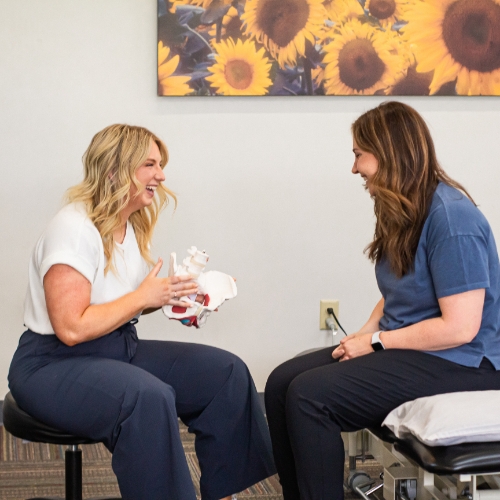
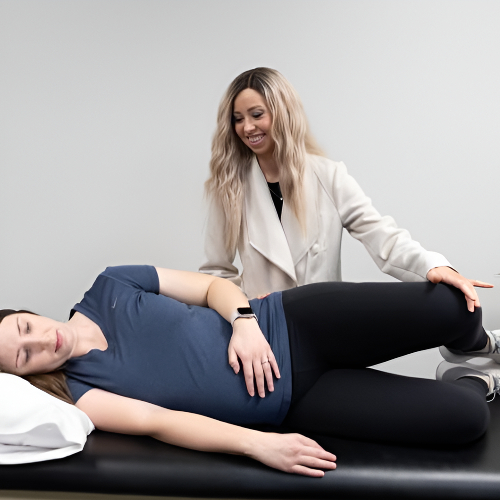
Pelvic Floor Therapy
Pelvic floor therapy is a specialized form of physical therapy focused on treating conditions related to the pelvic floor, a group of muscles and connective tissues that support the bladder, uterus (womb), and bowel. It stretches from the pubic bone to the tailbone. This type of therapy involves exercises, manual therapy techniques, and education to improve function and reduce discomfort. Pelvic floor therapy is essential for addressing issues related to bladder and bowel control, sexual function, and pain.
- Urinary Incontinence: This condition involves involuntary leakage of urine; pelvic floor therapy helps strengthen the muscles to improve control and reduce symptoms.
- Pelvic Pain: Chronic pain in the pelvic region can be alleviated through targeted exercises and techniques that address muscle tension and dysfunction.
- Prolapse: Pelvic organ prolapse occurs when organs like the bladder or uterus descend; therapy can strengthen the pelvic floor to provide support and alleviate symptoms.
- Postpartum Recovery: After childbirth, women may experience pelvic floor weakness; therapy assists in restoring strength and function during recovery.
Soft Tissue Mobilization
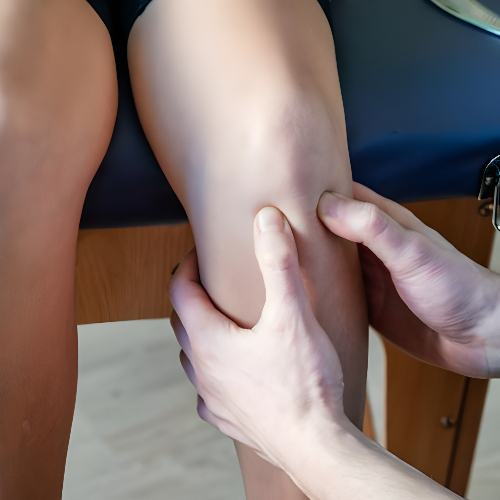
Soft tissue mobilization is a manual therapy technique used to treat musculoskeletal pain and dysfunction by targeting the soft tissues, including muscles, tendons and fascia. This form of manual therapy involves applying specific hands-on techniques to release tension, improve circulation, and optimize function in the affected areas. Soft tissue mobilization can enhance mobility, reduce muscle tightness, free adhesions and facilitate recovery from injuries.
- Muscle Strains: This technique is effective in relieving pain and tightness associated with strained muscles, promoting faster recovery and restoring function.
- Tendonitis: Soft tissue mobilization can improve circulation to help reduce inflammation and pain in the tendons, improving mobility and promoting healing in conditions like tennis elbow or Achilles tendonitis.
- Scar Tissue: Following injuries or surgeries, scar tissue can restrict movement; this therapy helps break down adhesions and improve tissue flexibility.
- Fibromyalgia: Individuals with fibromyalgia may benefit from soft tissue mobilization to alleviate widespread muscle pain and enhance overall relaxation.
Therapeutic Exercises
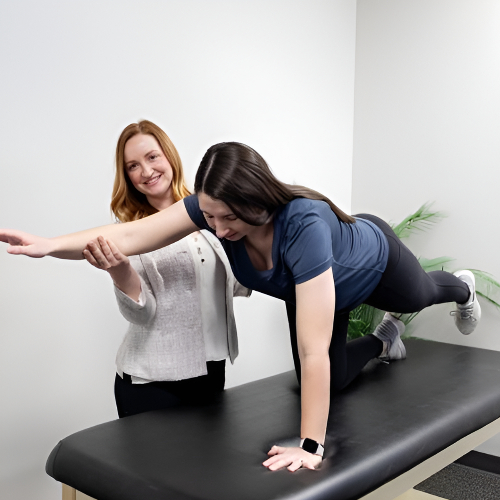
Therapeutic exercise is physical training aimed at alleviating pain, aiding in injury recovery, and restoring mobility and function. Physical therapists utilize these exercises to effectively treat conditions such as arthritis, back pain, osteoporosis, and sports injuries. By improving joint mobility, enhancing muscle strength, and fostering better balance, therapeutic exercises empower individuals to manage pain and enhance their overall quality of life. Tailored treatment plans cater to specific needs, facilitating recovery and functional improvement without the need for invasive procedures or long-term medication.
Therapeutic Ultrasound
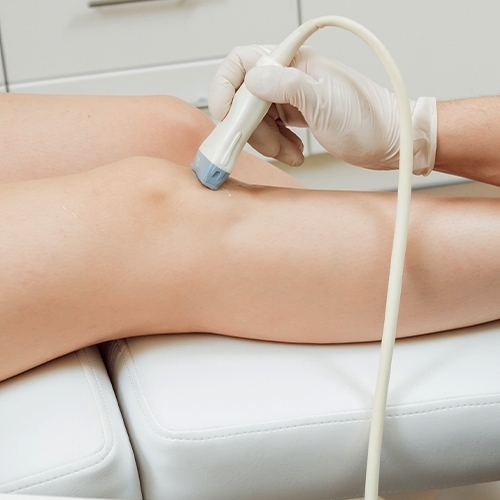
Therapeutic ultrasound is a modality used in physical therapy to promote tissue healing and reduce pain through sound wave vibrations. This treatment involves the application of high-frequency sound waves to targeted areas of the body, producing deep heat and stimulating cellular repair processes. Therapeutic ultrasound can help enhance blood flow, reduce inflammation, and improve tissue elasticity, making it a valuable tool in rehabilitation.
- Tendinitis: Inflammation of the tendons can be alleviated with therapeutic ultrasound, promoting healing and reducing pain.
- Bursitis: This condition, characterized by inflammation of the bursa, can benefit from ultrasound therapy by reducing swelling and discomfort.
- Muscle Strains: Therapeutic ultrasound aids in the healing of strained muscles by increasing blood circulation and promoting tissue repair.
- Chronic Pain: Ultrasound therapy can be effective in helping to relieve chronic pain, such as knee pain. .

Vestibular Therapy
Vestibular therapy is a specialized form of physical therapy designed to address balance and dizziness issues arising from vestibular disorders. This therapy incorporates exercises and techniques aimed at retraining the brain to process sensory information related to balance. Through targeted interventions, that typically involves a combination of:
Canalith repositioning procedures (CRPs)
A series of specific movements designed to reposition the dislodged calcium crystals in BPPV.
Balance exercises
Activities that help improve balance and coordination.
Habituation exercises
Techniques that help the brain adapt to the sensations of dizziness.
Vestibular strengthening exercises
Exercises that target the muscles involved in balance and coordination.
Vestibular therapy helps reduce symptoms in the following conditions:
Benign Paroxysmal Positional Vertigo (BPPV)
A common cause of dizziness, BPPV can be treated with vestibular therapy techniques to reposition calcium crystals in the inner ear.
Vestibular Neuritis
This inflammation of the vestibular nerve can lead to dizziness and imbalance; therapy helps restore normal balance function.
Meniere’s Disease
Characterized by episodes of vertigo and hearing loss, vestibular therapy can assist in managing symptoms and improving stability.
Concussion
Following a concussion, individuals may experience balance issues; vestibular therapy aids in rehabilitation and recovery.
Contact us today to schedule your initial evaluation with one of our expert physical therapists!
FAQ’s
What conditions can physical therapy treat?
Physical therapy is highly effective for a wide range of conditions, including but not limited to: musculoskeletal injuries, chronic pain, arthritis, post-surgical recovery, sports injuries, and neurological conditions like stroke and Parkinson’s disease. It can also help with balance issues, mobility limitations, and injury prevention.
How many physical therapy sessions will I need?
The number of sessions required varies depending on the nature of your condition and your personal goals. Our physical therapist will give you an estimated treatment timeline during your initial assessment, but the plan can be adjusted as you progress.
What should I wear to physical therapy?
It’s best to wear comfortable, loose-fitting clothing that allows freedom of movement, such as workout clothes or athletic wear. Depending on your treatment, your therapist may need access to specific areas of your body, so shorts, T-shirts, and sneakers are recommended.
Will physical therapy be painful?
While some discomfort can occur as your body adapts to new exercises and movements, your therapist will always work within your tolerance level to avoid unnecessary pain. The goal is to reduce pain and improve function, not to cause additional discomfort.
How does physical therapy help with pain management?
Physical therapy uses a combination of techniques such as manual therapy, therapeutic exercises, and education to address the root cause of pain. By improving movement patterns, reducing inflammation, and strengthening muscles, physical therapy can help relieve pain and prevent future injuries.
Can physical therapy prevent surgery?
In many cases, physical therapy can help avoid the need for surgery by addressing underlying issues like joint instability, muscle imbalances, or poor movement patterns. However, in some cases, surgery may still be necessary, and physical therapy can assist with pre-surgery preparation and post-surgery recovery.
Your Next Steps…
Request An Appointment
Receive A Custom Treatment Plan
Work Hard and Progress In Your Recovery
Recover & Enjoy Life Pain-Free!